
- News
- City News
- mumbai News
- It's raining abundance in the city forest
Trending
This story is from September 2, 2016
It's raining abundance in the city forest
The forest looks dark and deep; and is covered in mist. Trek to the highest point of Sanjay Gandhi National Park this monsoon, and witness nature’s spectacle of abundance.
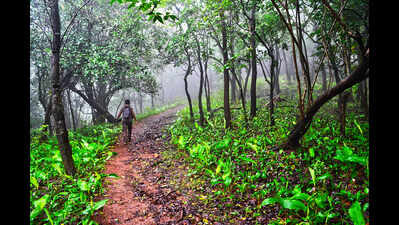
The forest looks dark and deep; and is covered in mist. Trek to the highest point of Sanjay Gandhi National Park this monsoon, and witness nature’s spectacle of abundance.

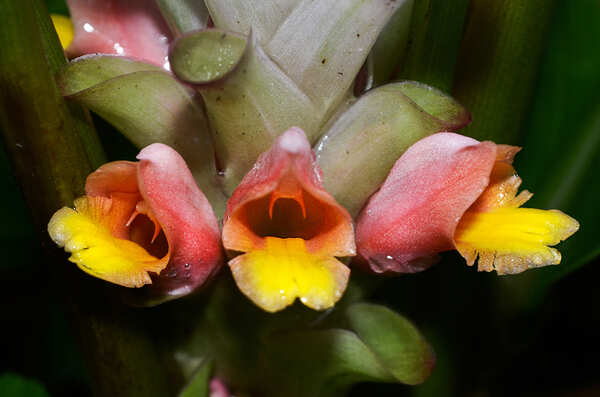
It’s also the season of love. The Common hawk-cuckoo (Pavsha in Marathi), one of the harbingers of monsoon in rural Maharashtra, attracts its mate, filling the air calling with its “brain-fever” call reaching a crescendo. When the Hill Turmeric flower lures a pollinating insect inside, its stalk sprinkles pollen on the insect’s back. “The insect carries the pollen, only to transfer it onto the female organ of another hill turmeric flower, and the cycle of life continues,” says conservationist Anish Andheria.
End of Article
FOLLOW US ON SOCIAL MEDIA










Photostories

Hot Picks
TOP TRENDING
Popular Categories
Hot on the Web
Top Trends
Shantanu NaiduRussell WilsonsTom BradyAUS vs PAK Live ScorePakistan Cricket FanSuryakumar YadavNobel Peace PrizeMahadev Betting AppNew UPI Transaction LimitRatan Tata DiesPM ModiUGC NET Result 2024Management Colleges of IndiaTop Medical Colleges of IndiaTop Engineering Colleges of IndiaTop Pharmacy Colleges of IndiaLive Cricket Score
Trending Topics
Diwali WishesJigra ReviewDussehra WishesVettaiyan OTT ReleaseVettaiyan CollectionVettaiyan ReviewBlack Movie ReviewDevara CollectionBigg Boss 18Deepika PadukoneShraddha KapoorRatan Tata Passed AwayJigra Movie ReviewVettaiyan Movie ReviewSwatantrya Veer SavarkarDussehra 2024Elon MuskKing Legacy CodesUltimate Football Codes October 2024Wordle Answer
Living and entertainment
Latest News
Navratri 2024: Jaya Bachchan and Shweta Bachchan join Rani Mukerji at the Durga puja pandalOff Argentina's Patagonian coast, whales and their calves dive deep for foodHappy Dussehra 2024: Images, Quotes, Wishes, Messages, Pictures and GreetingsApplications for new power connections among services moved exclusively onlineMy mother would love to have a swayamwar for me: Raj AnadkatHappy Dussehra 2024: Top 50 Wishes, Messages, Images and Quotes to Share with Your Loved OnesBigg Boss 18: Karan Veer Mehra's comment on Arfeen Khan converting his wife's religion sparks anger; Arfeen says, "Agar ye ghar mein nahi hota main iski band baja deta"Krushna Abhishek shares a heartwarming post for mama Govinda; says 'jab body mein adha blood supremely talented actor Govinda ka ho...'Could Tyreek Hill Return to the Chiefs? Cryptic Posts Fuel Trade SpeculationHappy Dussehra 202: Top 50 Wishes, Messages and Quotes to share with your loved onesAmitabh Bachchan turns 82: Priyanka Chopra, Prabhas, Kajol, and other celebs extend heartfelt birthday wishes to the legendary starPutin won't discuss Ukraine peace with Germany's Scholz, Berlin saysKarnataka Congress faces backlash over case withdrawals linked to Hubballi riots'Jigra' box office collection day 1 early estimate: The Alia Bhatt starrer faces tough competition with Rajinikanth's starrer 'Vettitan' and Rajkummar Rao's Vicky Vidya Ka Woh Wala Video'Lead with AI and transform challenges into opportunities with GrowFast's AI and Analytics based Business Strategy online courseAI is having its Nobel moment. Do scientists need the tech industry to sustain it?Type Soul codes October 2024: Redeem active codes to unlock benefitsSalami slicing: How China is eating into India’s territory
Copyright © 2024 Bennett, Coleman & Co. Ltd. All rights reserved. For reprint rights: Times Syndication Service